If you've done any research into phone systems,
you're well aware that there are a wide variety of business telephone
service provider options on the market. But which one is right for you?
With such a varied selection, you likely have some questions about how
to narrow down these choices and find the right solution for your
company.
That's why we created this overview of the most popular business
phone system options, organized by company size. Use this blog as an
introductory guide in your search for a new or replacement phone
solution.
Personal or Small Business (1-5 users)
Popular Options:
Consumer VoIP
Residential VoIP
Dedicated mobile work phone
If you run a small business, or have a personal home office, chances
are you don't need a sophisticated phone system. Small businesses can
normally get by with a limited feature set, and typically don't have
high call volume. At this size, you might avoid business phone systems
altogether and stick to consumer or residential VoIP solutions that offer affordable prices, easy maintenance, and simple setup.
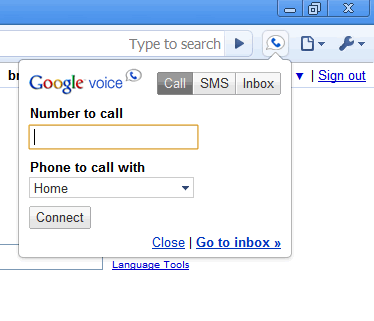
Small businesses often implement consumer VoIP options such as Skype or Google Voice,
which offers free VoIP service, including PSTN calling, SMS texting,
IM, voicemail transcription. Residential VoIP is designed for
individuals and families to use in their homes, but small businesses can
repurpose them for simple calling operations. These services offer
basic inbound/outbound calling and standard call handling capabilities.
Top providers include 1-VoIP, Phone Power, and VoIPo.
Finally, there's always the option of purchasing a 'work phone',
a dedicated smartphone separate from your personal cellphone. This can
work well with if you're only dealing with one or two potential users
with limited call volume.
Small and Medium Sized Businesses (SMBs)
Popular Options:
Cable internet & VoIP package
Virtual phone system
Cloud phone system
Business owners in this bracket are looking for something closer to a
business phone system, rather than a bare-bones consumer or cellular
solution. They might have several office locations or employees who work
from home. SMBs with moderate call volume likely want a local telephone
number, reliability of service, good call quality, scalability for new
employees, and basic features such as voicemail management and automated
phone menus.
Some businesses save money by using bundled internet and VoIP
services offered by their cable companies. Verizon, Spectrum, and
Comcast all offer small business solutions that provide packages that
include IP phones and installation services. These phone systems
typically offer local and international calling, plus calling features
such as conferencing, caller ID, and voicemail. Grasshopper and Line2
are virtual phone systems that offer higher service consistency and
better features than consumer VoIP solutions such as Google Voice. Both
services work directly from your smartphone, computer, or tablet, to
create a virtual phone network. In addition to inbound/outbound calling,
these services have basic call routing and call handling features. Cloud phone systems are hosted business phone systems that offer web-based user portals and can be used with compatible deskphones and/or softphone apps.
They also have a host of critical and innovative calling features,
including extension dialing, video calling, queues, and conference
calling.
One of the main advantages of cloud phone systems is scalability. For
a small or medium sized business, a cloud phone system makes it easy to
add newly hired staff members to the phone system. Some providers offer
starter or flexible plans that are relatively easy to scale, which is
ideal for startups as they grow. Depending on the provider, a cloud phone system might also offer free softphone or webphone solutions
that make it easy to add new employees without having to purchase
physical phones. They also enable your employees to work remotely and
stay connected.
Large Business and Enterprise
Popular Options:
Business VoIP / UCaaS
On-premise PBX
SIP trunking
Phone system requirements change when you reach the level of a large
business. Multiple office locations, executives with personal
assistants, and complex sales and support operations are just some of
the situations that require a fully-functional phone solution. Companies
in this range will likely need several different phone numbers,
including vanity, toll free, and local numbers, unlimited calling
packages, integrations with CRM and business software, call center
capabilities, and more.
Leading UCaaS (Unified Communications as a Service) and business VoIP providers
will often present their offerings as "unified" solutions. They come
with online interface allows account administrators to add users and
configure features in real-time. They also offer web-based products that
incorporate voice, video, and messaging,
as well as other collaboration tools like screensharing and
multi-device compatibility, to provide a comprehensive business
communications solution.
Even with these advances, there are a number of large enterprises that opt for more control over their phone service. On-premise PBXes and SIP trunking services
allow companies to customize their phone system operations, but require
servers and hardware to be stored in your office. This setup usually
requires an in-house IT team to update and maintain the service. Popular
platforms for managing your on-premise PBX include FreeSwitch and Asterisk.
More often than not, an on-premise solution is used for security
purposes. Large banks, national companies, and government agencies have
stricter requirements for keeping communications secure. Some
organizations require a HIPAA-compliant phone system to ensure that
patient data is fully encrypted.
Business Telephone Service: Finding the Right Fit
Depending on the size of your company, there are number of phone
system solutions that could work for your business. The only piece of
advice we'll give for anyone reading this is to not purchase POTS (Plain
Old Telephone Service) or landline phone systems. These systems are
outdated, expensive, have less features, poorer call quality, are
difficult to scale, and will ultimately tie you down with non-negotiable
contracts.
And while company size is typically the main factor in deciding which
business telephone service provider to choose, there are certainly
other considerations. Capabilities, reliability, and user experience are
also important in making a decision. Finding the right phone system for
your business requires a combination of your needs as a company against
the reality of the pricing.


0 Response to "local business telephone service providers"
Post a Comment